Online shopping has become one of the easiest ways to buy almost anything. I personally like the convenience of being able to compare products, check prices, read reviews, and place an order from home. At the same time, I believe online shopping requires a little more attention than shopping from a physical store. There are many genuine sellers online, but there are also scammers who create fake websites, advertise products that do not exist, or try to steal customers’ personal and financial information.
The good thing is that avoiding online shopping scams is not as difficult as it may seem. In my opinion, the most important thing is to slow down and think before making a payment. In this article, I will share some simple habits that can help beginners shop online more safely.
Understand How Online Shopping Scams Work
Before learning how to avoid scams, I think it is useful to understand how scammers usually operate. Their main goal is often to make a website, advertisement, message, or product offer look trustworthy.
Some scammers create websites that look similar to well known online stores. Others advertise expensive products at extremely low prices. You may see an expensive phone, laptop, watch, or piece of clothing being offered for a price that seems almost impossible.
Another common trick is to create urgency. A website may tell you that only one item is left or that the discount will disappear within a few minutes. This is designed to make you purchase without checking the seller properly.
Scammers can also contact people through social media, email, or text messages and send links to fake shopping pages. That is why I believe checking information before paying is always worth the extra few minutes.
Check the Website Carefully
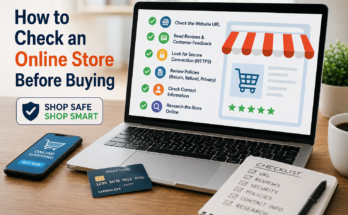
One of the first things I do when visiting an unfamiliar online store is check the website carefully. I look at the store name, website address, product information, contact details, and overall appearance.
A professional looking website does not automatically mean the store is genuine. Scammers can create attractive websites too. However, a website filled with spelling mistakes, strange product descriptions, broken pages, or copied information can be a warning sign.
I also check whether the website provides a real contact method. A trustworthy business should normally provide useful information about how customers can contact it.
Do not assume that a website is safe simply because it has a professional logo or attractive design. Always look at the complete picture.
Be Careful With Extremely Cheap Deals
Everyone loves a good deal, including me. However, an offer that looks too good to be true deserves extra attention.
For example, imagine you find a product that normally costs $500 being sold for $80 by a store you have never heard of. It is possible that there is a genuine reason for the discount, but it is also possible that the offer is a scam.
Before purchasing, I recommend checking the same product on several established shopping websites. Compare the normal price, seller information, shipping costs, and return policy.
A huge discount should not automatically convince you to buy something. Sometimes the cheapest offer can become the most expensive mistake.
Read Product Reviews Carefully
Reviews can be very useful, but I do not believe every review I see online.
Some fake stores create fake reviews to make their products appear popular. If a website has hundreds of reviews that all sound almost identical, I become suspicious.
I prefer looking for detailed reviews that discuss the actual product, delivery experience, quality, and customer service. I also look for reviews on independent platforms instead of relying only on reviews published by the seller.
If a product has nothing but perfect five star reviews and no criticism at all, I think it is worth investigating further.
Research the Seller
Before placing an order with an unfamiliar seller, spend a few minutes researching the business.
Search for the store name online and look for customer experiences. You may find complaints about missing orders, poor quality products, refund problems, or unauthorized charges.
I also check whether the business has been operating for a reasonable period of time and whether customers can find consistent information about it.
This does not mean every negative review proves that a business is a scam. Genuine businesses can have unhappy customers too. What matters is looking for patterns.
If many different people report the same problem, I would personally avoid the seller.
Use Secure Payment Methods
Payment methods can make a big difference when shopping online.
When possible, I prefer payment methods that provide some form of protection for buyers. Credit cards, for example, may provide dispute options depending on the card provider and transaction.
I am also careful when a seller insists on unusual payment methods or asks me to send money directly to a personal account. Requests for gift cards, cryptocurrency, or other difficult to reverse payments can be major warning signs in an online shopping situation.
Before paying, understand how the payment method works and whether you have any protection if something goes wrong.
Never Share More Information Than Necessary
An online store may need certain information to process an order, such as your name, delivery address, and payment details. However, I do not believe shoppers should provide unnecessary personal information.
Be especially careful if a shopping website asks for sensitive information that does not appear relevant to your purchase.
You should also avoid sending photographs of identity documents, banking information, passwords, or security codes to random sellers through social media or messaging apps.
If someone asks for information that seems unusual, stop and investigate before continuing.
Avoid Shopping Through Suspicious Links
One common scam begins with a message that says something like, “Your order is waiting,” or “You have won a special shopping discount.”
The message may include a link that takes you to a fake website designed to steal your login or payment information.
Instead of clicking the link immediately, I prefer opening the official shopping website directly through my browser or using the official application. Then I can check whether there is actually an order or notification associated with my account.
This simple habit can prevent many problems.
Check the Return and Refund Policy
Before buying something from an unfamiliar website, I always think about what will happen if the product arrives damaged, incorrect, or not at all.
A legitimate store should provide clear information about returns, refunds, shipping, and cancellations.
If a website has no return policy or provides confusing information, I would think twice before ordering.
Pay particular attention to hidden conditions. Some stores may advertise easy returns but later charge expensive shipping fees or provide complicated instructions.
Knowing the return policy before paying can save you a lot of frustration later.
Be Careful on Social Media
Social media has become a popular place for discovering products. I often see attractive advertisements and offers while browsing different platforms.
However, social media advertisements should not automatically be treated as proof that a seller is trustworthy.
Scammers can create professional looking advertisements and fake accounts. They may use product photographs taken from legitimate businesses and offer products at unusually low prices.
If you discover a product through social media, I recommend visiting the seller’s official website independently and researching the business before making a purchase.
Do Not Let Pressure Make Your Decision
One of the biggest mistakes people make is buying something because they feel pressured.
Scammers understand that people can make quick decisions when they believe they are about to miss a great opportunity.
Messages such as “buy now,” “last chance,” or “only a few minutes remaining” are designed to create urgency.
In my opinion, a legitimate purchase should give you enough time to think. If an offer requires you to make an immediate payment without allowing you to check the seller, that is a reason to step back.
A genuine discount is not worth risking your money or personal information.
Keep Your Accounts Secure
Online shopping security is not only about choosing trustworthy stores. Your own accounts should also be protected.
I recommend using strong and unique passwords for shopping accounts. If a store supports two factor authentication, enabling it can provide another layer of protection.
I also avoid saving payment information on websites that I rarely use.
Keeping your phone, computer, browser, and security software updated is another useful habit. Updates often include security improvements that can help protect your device.
Monitor Your Bank Statements
Even after making a successful purchase, I believe it is a good idea to monitor your bank or card statements.
Check transactions regularly and look for payments that you do not recognize. Finding suspicious activity early can make it easier to contact your bank or payment provider.
I personally think this is one of the simplest habits that online shoppers can develop. You do not need to spend hours checking your account. A quick review can help you notice something unusual.
What to Do If You Think You Have Been Scammed
If you realize that you have purchased from a scam website, do not panic. Acting quickly can be helpful.
First, contact your bank or payment provider and explain what happened. Ask whether the transaction can be stopped, disputed, or investigated.
If you created an account on the suspicious website and used a password that you also use elsewhere, change that password immediately. If the same password was used for other important accounts, change those as well.
Keep copies of receipts, emails, messages, order information, and screenshots. These records may be useful when reporting the incident.
You should also report suspicious websites or sellers to the appropriate platform or consumer protection authority in your country.
My Simple Rule for Safer Online Shopping
My personal rule is simple. If something feels suspicious, I do not rush.
Before buying from an unfamiliar store, I check the website, research the seller, compare prices, read reviews, examine payment options, and look at the return policy.
None of these steps takes very long, but together they can make online shopping much safer.
I also remind myself that scammers depend on emotions such as excitement, fear, urgency, and greed. When I slow down and make a decision based on information instead of pressure, I am much less likely to make a bad purchase.
Conclusion
Online shopping can save time, provide more choices, and make it easier to find products at competitive prices. However, shoppers need to stay alert because online scams can affect anyone.
The best protection is not avoiding online shopping completely. Instead, it is learning how to recognize suspicious behavior and developing safer shopping habits.
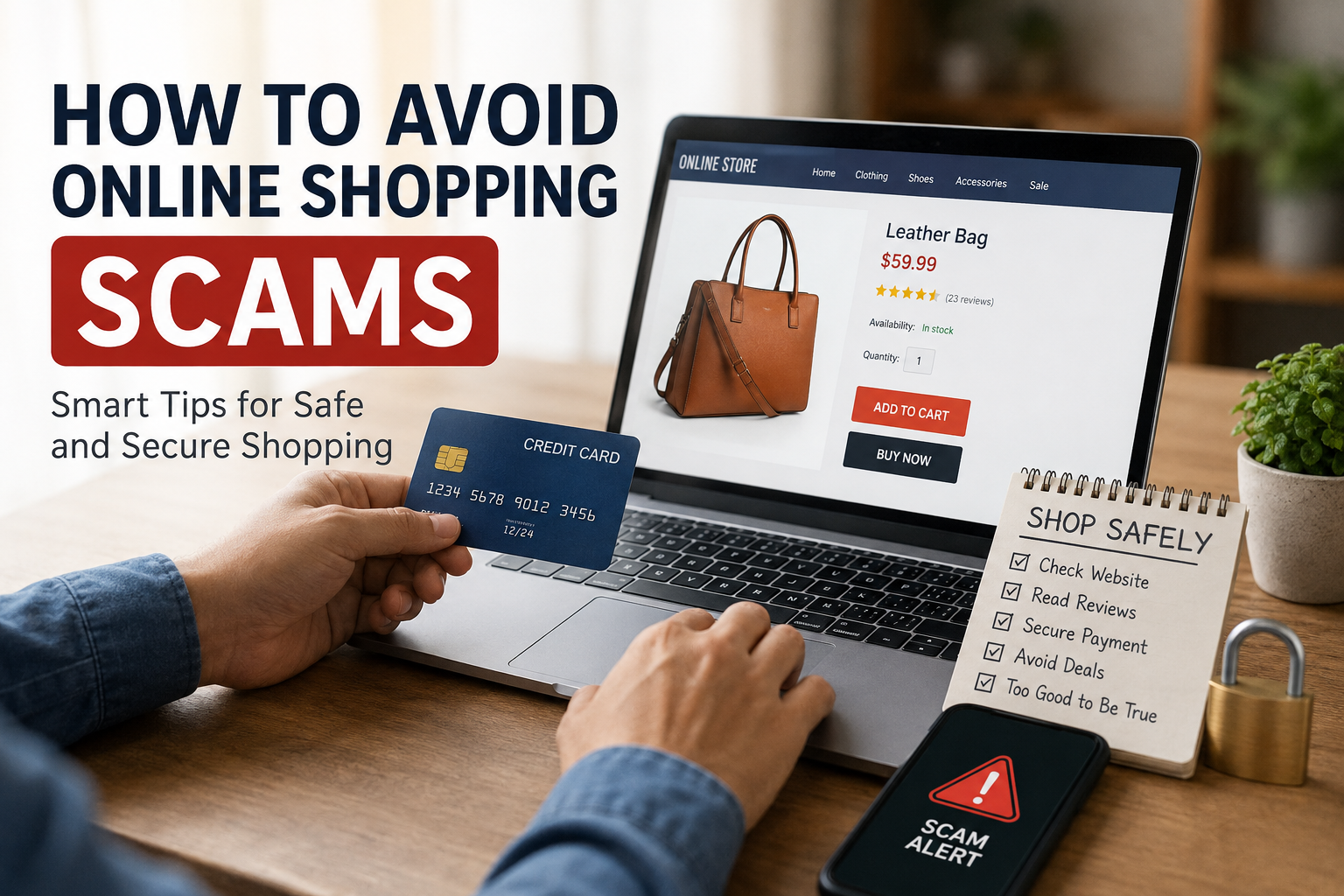
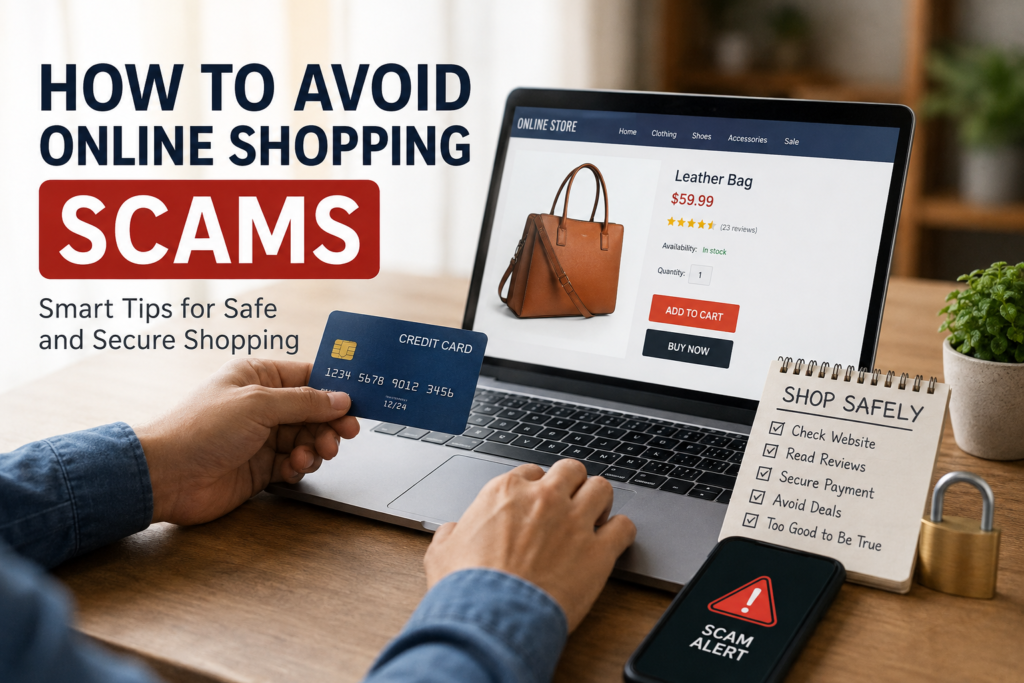
Check unfamiliar websites carefully. Research sellers before purchasing. Be skeptical of unbelievable discounts. Read reviews from different sources. Use safer payment methods. Protect your personal information and monitor your financial accounts.
Most importantly, never allow an exciting offer to make you forget basic safety.
In my opinion, spending a few extra minutes checking a seller is always better than spending hours trying to recover money after a scam. Smart online shopping is not about being afraid of the internet. It is about being informed, patient, and careful with every purchase.