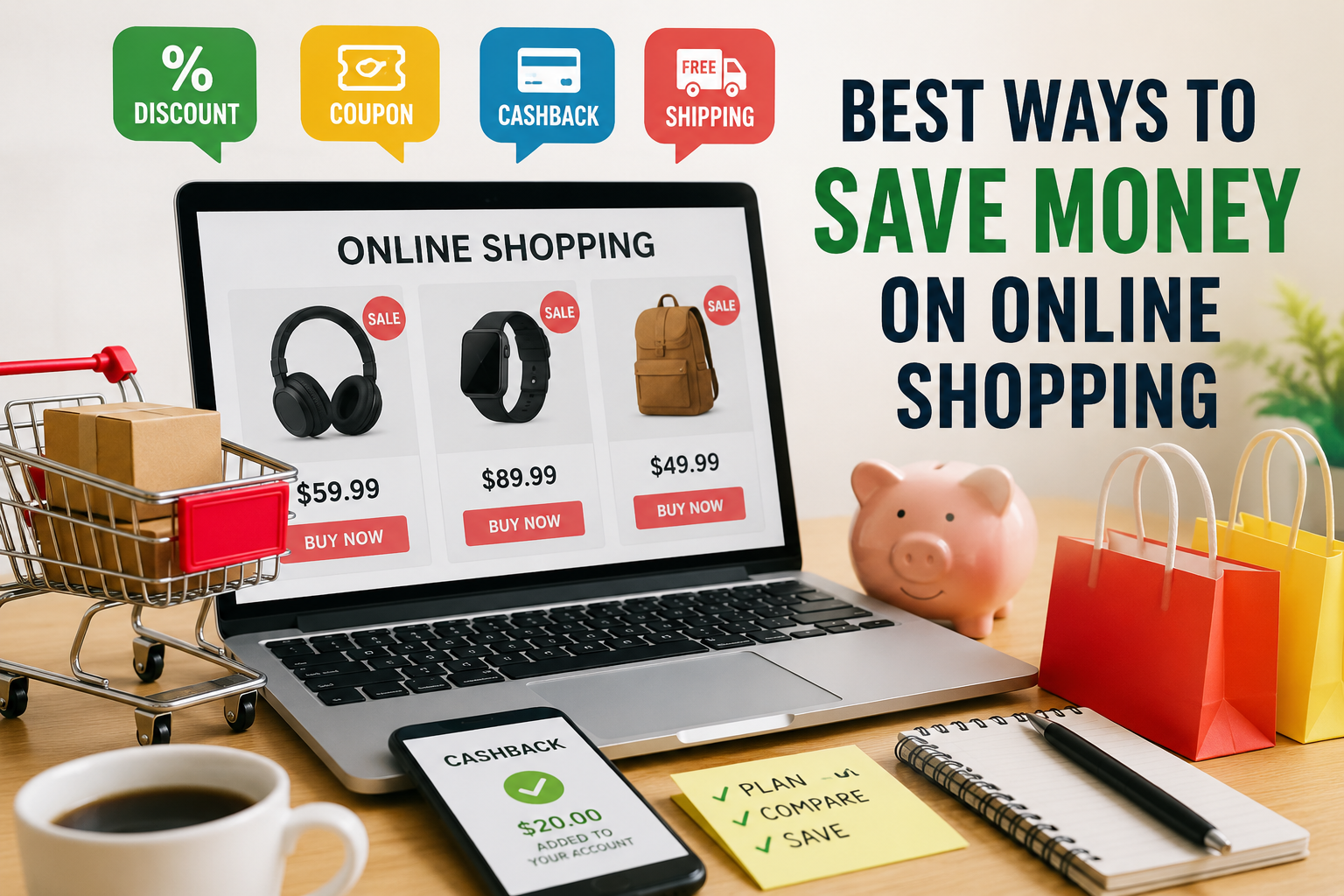
Online shopping has become a normal part of my daily life. I can compare products, check reviews, find different brands, and place an order without leaving my home. However, I have also learned that online shopping can make it very easy to spend more money than I planned. Attractive offers, limited time deals, free shipping messages, and personalized recommendations can quickly encourage me to buy things that I may not actually need.
Over time, I have found that saving money while shopping online is mostly about making better decisions rather than simply looking for the biggest discount. A product with a 20 percent discount is not necessarily a good deal if I did not need it in the first place. In my experience, a few simple habits can make online shopping much more affordable.
Make a Shopping List Before You Buy
One of the easiest ways I save money online is by making a list before I start shopping. When I visit an online store without knowing exactly what I need, I am more likely to browse through products and add unnecessary items to my cart.
Before opening a shopping website, I try to decide what I actually need. If I need a phone case, for example, I focus on phone cases instead of browsing through headphones, watches, bags, and other products.
Having a clear shopping list helps me stay focused. It also makes it easier to recognize when I am about to make an unnecessary purchase.
Compare Prices From Different Stores
I never assume that the first price I see is the best price. Different online stores can sell the same or similar products at very different prices.
Before buying an expensive item, I usually check several websites. I compare the product price, shipping cost, return policy, warranty, and seller reputation. Sometimes a product that looks cheaper at first becomes more expensive after shipping and other charges are added.
Price comparison is especially useful for electronics, clothing, household products, and other items that are widely available online.
Look for Coupon Codes
Coupon codes can be another simple way to reduce the final price. Many online stores offer promotional codes for new customers, seasonal sales, newsletter subscribers, or specific product categories.
Before completing an order, I usually check whether the store has an available coupon. I also look at the terms because some coupons require a minimum purchase or only apply to selected products.
I try not to buy something just because I have a coupon. A discount only saves money when I was already planning to purchase the product.
Use Cashback Offers Carefully
Cashback programs can help reduce shopping costs when used properly. Some websites and payment services return a small percentage of the purchase price after a qualifying transaction.
For example, if I am already planning to spend money on something I need, receiving cashback can make the purchase slightly cheaper in the long run.
However, I do not consider cashback a reason to buy something unnecessary. Spending $100 to receive a small cashback amount is not really saving money if I could have avoided the purchase completely.
Wait Before Making a Large Purchase
One habit that has helped me the most is waiting before buying expensive products. When I see something I like, I do not always purchase it immediately.
I add the product to my wishlist or cart and give myself some time to think. After a day or two, I often realize that I do not need the product as much as I initially thought.
This simple waiting period can prevent impulse purchases. It is particularly useful during large online sales when stores create a sense of urgency.
Check the Final Price Before Paying
The product price shown on a shopping page is not always the final amount I have to pay. Shipping charges, taxes, service fees, and other costs can change the total.
I always check the final checkout amount before placing an order. This helps me understand exactly how much I am spending.
Sometimes I discover that a slightly more expensive product from another store is actually cheaper because it includes free shipping. Looking at the complete cost gives me a more accurate comparison.
Take Advantage of Free Shipping
Shipping costs can make a surprisingly large difference to a shopping budget. If I regularly buy inexpensive products online, paying a separate shipping fee for every order can become expensive.
When possible, I look for stores offering free shipping or combine necessary purchases into one order. However, I avoid adding unnecessary products simply to reach a free shipping threshold.
For me, paying a small shipping fee is sometimes better than spending much more on things I do not need.
Read Product Reviews
Saving money is not only about paying a lower price. It is also about avoiding bad purchases.
Before buying a product, I like to read customer reviews. Reviews can tell me whether the product quality matches its description and whether previous buyers experienced problems.
I pay particular attention to reviews that discuss size, quality, durability, performance, and whether the product looks like its pictures.
A cheap product that breaks quickly is not always a bargain. Sometimes spending a little more on a reliable product saves money over time.
Check the Return Policy
I always recommend checking the return policy before purchasing something online. This is especially important for clothing, shoes, electronics, and other products where the actual item may not meet expectations.
A product can have a great price, but if the seller does not accept returns, the purchase can become risky.
Before ordering, I look at how many days I have to return the item, whether return shipping is free, and whether the seller offers refunds or exchanges.
Avoid Buying Just Because Something Is on Sale
Sales are one of the biggest reasons people spend more than they planned. I have learned that the word “sale” does not automatically mean I am saving money.
If a product normally costs $50 and is discounted to $40, I save $10 only if I actually needed the product. If I would not have bought it otherwise, I have spent $40 instead of saving $10.
I try to ask myself a simple question before purchasing a sale item: Would I still want this product if there were no discount?
If the answer is no, I usually leave it.
Use Wishlists Instead of Immediate Purchases
Wishlists are useful because they allow me to save products without buying them immediately. This gives me time to compare prices and decide whether the item is genuinely useful.
Sometimes a product becomes cheaper later. Other times I forget about it completely, which tells me that I probably did not need it.
I find wishlists particularly useful during major shopping events because they help me keep track of products I actually want instead of randomly browsing.
Set a Monthly Online Shopping Budget
A shopping budget gives me a clear limit. Without a budget, small purchases can easily add up.
I decide how much money I am comfortable spending on online shopping each month. Once I reach that amount, I try to avoid unnecessary purchases until the next month.
The budget does not have to be complicated. Even a simple note on my phone can help me keep track of spending.
Be Careful With Buy Now, Pay Later
Buy now, pay later services can make expensive products appear more affordable because the payment is divided into smaller amounts. However, I believe it is important to consider the total cost before using these services.
Small payments can still add up when several purchases are made at the same time. Before choosing this option, I make sure I understand the payment schedule, fees, and conditions.
If I cannot comfortably afford the full purchase, I think carefully about whether I should buy it at all.
Unsubscribe From Unnecessary Shopping Emails
Shopping emails can encourage me to spend money even when I was not planning to shop. Every day, stores may send messages about new products, special discounts, and limited time offers.
I have found that reducing these notifications makes it easier to avoid unnecessary purchases. I keep notifications for stores that are genuinely useful to me and ignore the rest.
Sometimes saving money starts with simply removing temptation.
Buy Quality When It Makes Sense
The cheapest product is not always the best choice. For products that I expect to use for years, I prefer to consider quality, durability, warranty, and customer feedback along with the price.
For example, buying a poor quality product several times can cost more than buying a reliable product once.
I do not believe in paying extra simply for a brand name. Instead, I look for a reasonable balance between price and quality.
Conclusion
Saving money on online shopping does not require complicated strategies. In my experience, the biggest savings come from being patient, comparing prices, avoiding impulse purchases, and thinking carefully before clicking the checkout button.
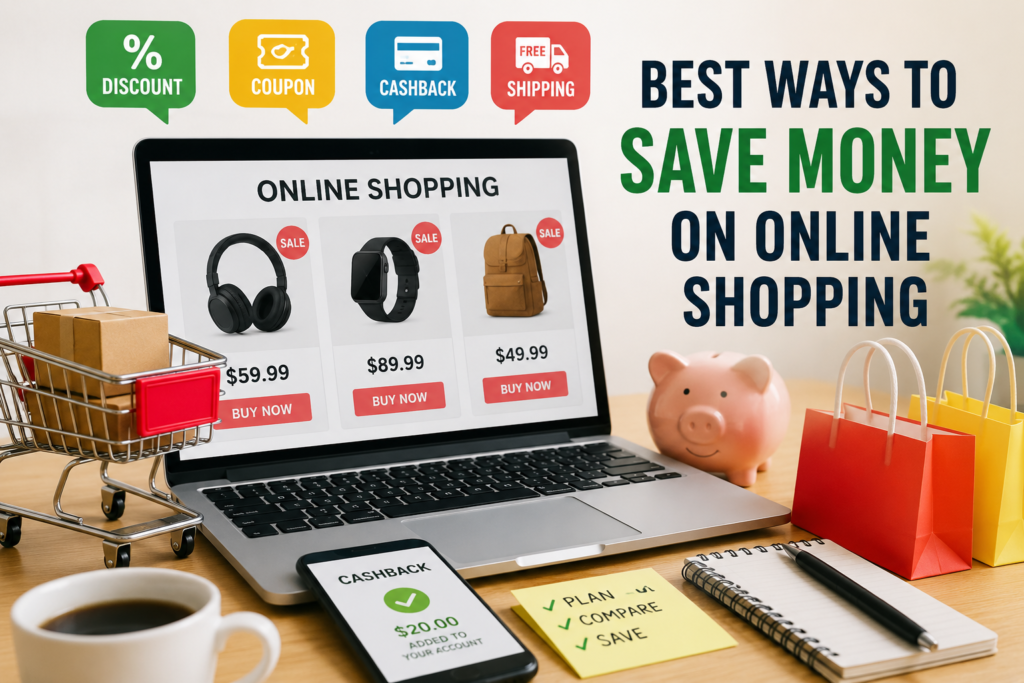
I try to shop with a list, compare different stores, look for legitimate coupons, check cashback opportunities, read reviews, and understand the complete final price. I also remind myself that a discount is not a saving if I buy something I never needed.
Online shopping can be convenient and affordable when I use it wisely. The goal is not to avoid shopping completely. It is to make sure that the money I spend provides real value.
For me, the best online shopping habit is simple: buy what I need, compare before buying, and never let a temporary offer make the decision for me.