Shopping for clothes online has become a normal part of my life. I can browse hundreds of shirts, dresses, jeans, jackets, and other clothing items without leaving my home. It saves time and often gives me more choices than a local store. At the same time, I have learned that buying clothes online requires a little more attention. A dress may look perfect in a picture but feel completely different when it arrives.
In my opinion, the key to choosing clothes online is not simply finding something that looks attractive. I need to think about the size, material, color, quality, price, return policy, and how the item will actually fit into my wardrobe. Once I started paying attention to these things, my online shopping became much easier and more successful.
Know Your Measurements
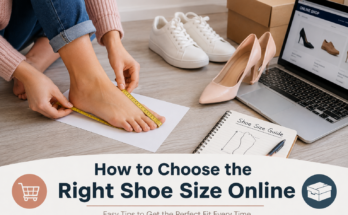
The first thing I recommend before buying clothes online is knowing your measurements. Different brands can have completely different sizing systems. A medium from one store may fit like a small or large from another store.
I usually check my chest, waist, hips, shoulder width, and inseam measurements depending on what I want to buy. For shirts and jackets, chest and shoulder measurements can be especially useful. For trousers, waist and inseam measurements matter more.
I also recommend keeping your measurements written somewhere on your phone. This saves time when shopping from different websites.
Most online clothing stores provide a size chart. I always compare my measurements with that chart instead of choosing a size based only on what I normally wear. This simple habit can prevent many disappointing purchases.
Check the Size Chart Carefully
A size chart is one of the most useful tools available when shopping online. I never ignore it, especially when I am buying from a brand for the first time.
Some stores use measurements in inches, while others use centimeters. Some brands also provide separate charts for different clothing categories. For example, the size of a shirt may not be based on exactly the same measurements as the size of jeans.
I also look at product descriptions because they may explain whether an item has a relaxed, regular, slim, or oversized fit. This information can change how the clothing will look and feel.
If I am between two sizes, I consider the material and style before making a decision. A stretchy top may be more forgiving, while fitted trousers usually require a more accurate fit.
Read the Product Description
Pictures are important, but I do not rely on pictures alone. The product description often tells me things that photographs cannot.
Before buying something, I check what material it is made from, how it should be washed, what type of fit it has, and whether it is lined or unlined. These details can make a big difference.
For example, cotton may feel different from polyester, while linen can have a completely different appearance from denim. If I want something for hot weather, I usually look for lightweight and breathable materials.
I also pay attention to details such as buttons, pockets, zippers, collars, and sleeve lengths. A good product description helps me understand what I am actually paying for.
Look at Multiple Photos
I always look at as many product photos as possible before ordering clothes online. One photograph rarely gives me the complete picture.
I like to check front, back, and side views when they are available. Close up photographs can also help me understand the fabric and small design details.
If the website provides photos of a model wearing the item, I check how the clothing fits on the model. However, I remind myself that the clothing may look different on me because everyone’s body shape and proportions are different.
I also zoom in on the images when possible. This can help me notice stitching, texture, patterns, and other details.
Read Customer Reviews
Customer reviews are one of the most valuable parts of online clothing shopping. I usually read both positive and negative reviews before making a purchase.
Reviews can tell me whether the item runs small, large, or true to size. Customers may also mention whether the material feels comfortable, whether the color matches the photos, and whether the clothing shrinks after washing.
I pay special attention to reviews from people who have included their height, weight, measurements, or photographs. These reviews can give me a better idea of how the clothing may look in real life.
However, I do not depend on one review. I prefer reading several reviews because individual experiences can be different.
Choose the Right Color
Choosing colors online can sometimes be difficult because the color displayed on a screen may not look exactly the same in person.
Before ordering, I check the available color names carefully. If I am buying an important item, I look at customer photographs to see how the color appears in normal lighting.
I also think about what I already have in my wardrobe. Personally, I find it more useful to buy a color that I can easily combine with several existing outfits rather than buying something attractive that I may rarely wear.
Neutral colors such as black, white, navy, beige, and gray can be easy to style, but there is nothing wrong with choosing brighter colors when they match my personal style.
Consider the Fabric
Fabric is extremely important when choosing clothes online. Since I cannot touch the item before buying it, I use the material information and customer reviews to understand what it may feel like.
I check whether the fabric is soft, lightweight, thick, stretchy, or structured. I also consider the season. A heavy sweater may be useful during cold weather but uncomfortable during hot weather.
I also think about maintenance. Some clothes require special washing or careful handling. If I prefer easy care clothing, I look for items that can be washed and maintained without too much effort.
In my experience, understanding the fabric can help me avoid buying clothes that look good in pictures but do not suit my lifestyle.
Compare Prices Before Buying
I do not always buy the first item I like. I compare prices when possible.
The same type of clothing may be available from different stores at different prices. Sometimes a higher price means better material or construction, but that is not always the case.
I also check whether shipping charges, taxes, or other costs are added at checkout. A cheap item can become expensive after additional charges.
Sales and discounts can be useful, but I try not to buy something simply because it is on sale. If I would not buy it at the normal price, I ask myself whether I really need it.
Check the Return Policy
Before placing an order, I always recommend checking the return and exchange policy. This is especially important for clothes because there is always a possibility that the size or fit will not be right.
I check how many days I have to return the item, whether the product must be unused, and whether the original tags need to remain attached. I also look at who pays for return shipping.
Some stores offer free returns, while others may charge a fee. Knowing this before buying can save me from an unpleasant surprise later.
Think About Your Personal Style
Online stores can expose me to thousands of fashion trends. It is easy to become interested in something simply because it looks popular.
I try to ask myself whether the clothing actually matches my personal style. I think about what I normally wear and whether the new item will work with my existing wardrobe.
For me, a good purchase is something I can wear comfortably in several situations. I prefer clothing that makes me feel confident rather than clothing that only looks fashionable for a short period.
Avoid Impulse Buying
One of the biggest problems with online shopping is impulse buying. A beautiful photograph, limited time discount, or attractive advertisement can make me want to buy something immediately.
I have found it helpful to take a short break before completing an order. If I still want the item after thinking about it, I can make a more informed decision.
I also ask myself a few simple questions. Do I really need this? Will I wear it regularly? Does it fit my budget? Do I already own something similar?
These questions can help reduce unnecessary spending.
Check the Store Before Ordering
I also pay attention to the online store itself. Before making a purchase, I look for clear product information, contact details, customer reviews, secure payment options, and a reasonable return policy.
If a website has very little information or seems suspicious, I prefer not to take the risk. I would rather buy from a store that provides clear information and has a good reputation.
Final Thoughts
Choosing clothes online can be simple when I know what to look for. In my opinion, successful online clothing shopping is about making a thoughtful decision rather than buying something just because it looks good in a photograph.
I always try to know my measurements, check the size chart, read the product description, examine multiple photos, and study customer reviews. I also consider the fabric, color, price, return policy, and my own personal style.
Most importantly, I remind myself that online shopping should make life easier, not create unnecessary stress or expenses. When I take a few extra minutes to research a clothing item before buying it, I have a much better chance of receiving something that fits well, feels comfortable, and is actually useful in my wardrobe.
With a little patience and careful attention, anyone can become better at choosing clothes online. The goal is not to buy more clothes. For me, the goal is to buy clothes that I genuinely like, feel comfortable wearing, and can enjoy for a long time.