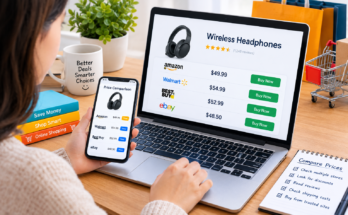
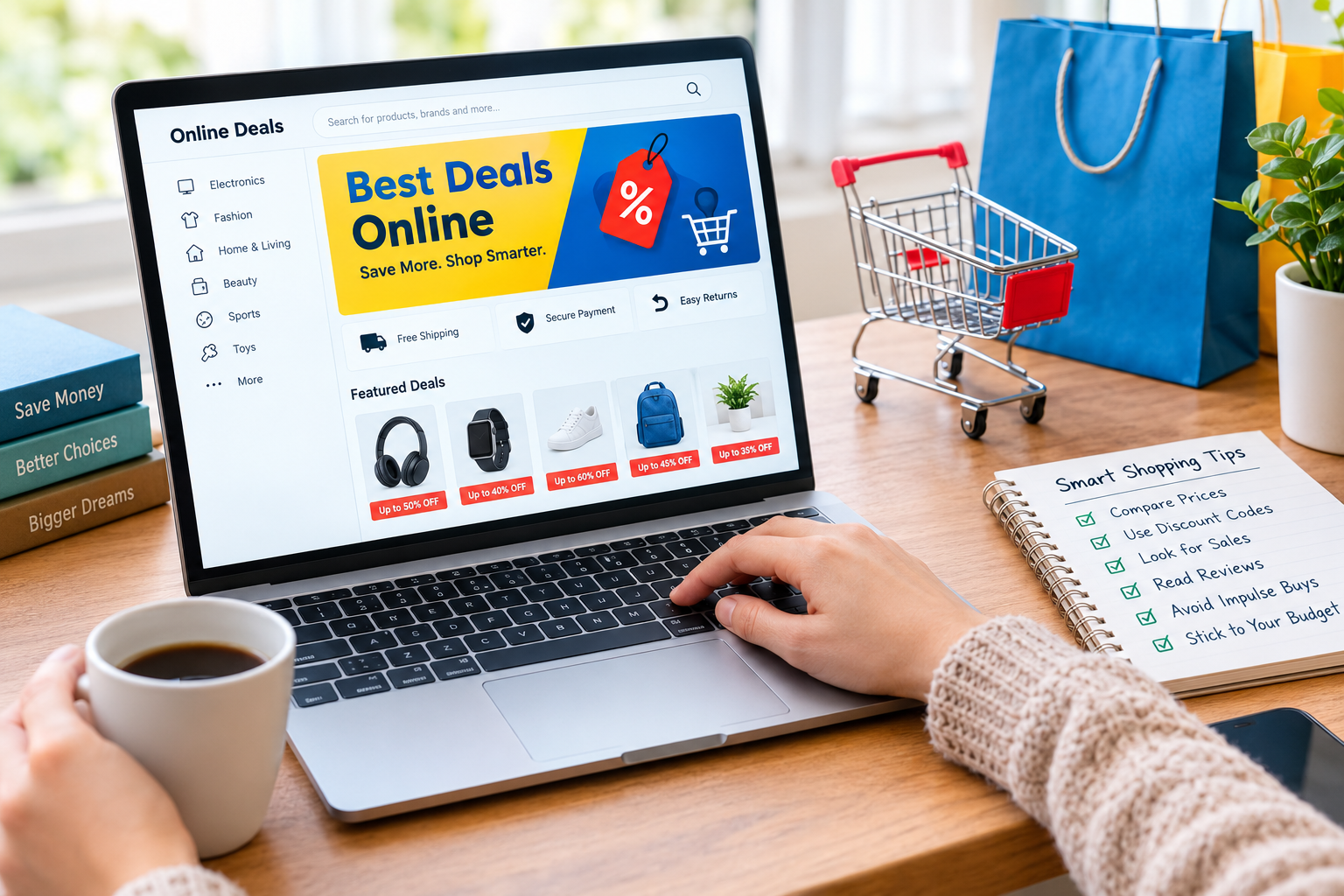
Online shopping has made it much easier for me to find products, compare prices, and discover discounts without leaving home. At the same time, I have learned that finding a good deal is not simply about seeing a large discount percentage. Sometimes a product marked as 50 percent off may still cost more than the same product somewhere else. This is why I believe smart online shopping requires a little research, patience, and a clear budget.
When I shop online, my main goal is not to buy the cheapest product. My goal is to find the best value for my money. In this article, I will share practical ways to find the best deals online without overspending. These tips can help beginners, families, students, and anyone who wants to save money while shopping online.
Know What You Actually Need
Before searching for discounts, I think the first step is deciding what you actually need. Online stores display thousands of products, and it is very easy to become interested in things that were not part of your original shopping plan.
I usually make a simple list before opening a shopping website. If I need headphones, for example, I focus on headphones instead of browsing unrelated products. This small habit can reduce impulse purchases.
A discount only saves money when you were already planning to buy the product. If you spend money on something you do not need simply because it is on sale, you are still spending more.
Set a Shopping Budget
One of the most useful online shopping tips I have found is setting a budget before making a purchase. A budget gives me a clear limit and makes it easier to avoid unnecessary spending.
For example, if I decide that I can spend up to $50 on a particular product, I do not automatically increase my budget when I find an attractive model costing $70. Instead, I look for another option that provides the features I need within my budget.
A shopping budget should include the total cost, not only the displayed product price. Shipping charges, taxes, service fees, and optional accessories can increase the final amount.
Compare Prices Before Buying
Price comparison is one of the easiest ways to find better online deals. I never assume that the first website showing a product has the lowest price.
Before buying, I check several online stores and compare the same product. I also check whether different sellers are offering different shipping charges or return policies.
It is important to compare identical or very similar products. A lower price does not always represent a better deal if the product has fewer features, a shorter warranty, or poor customer support.
Check the Final Price
Sometimes an online store displays an attractive price that does not represent the final amount you will pay. This is why I always check the checkout page before completing an order.
Shipping fees can change the value of a deal. A product that costs slightly more but includes free shipping may actually be cheaper than a product with a lower listed price and expensive delivery.
I also check taxes, service fees, and other charges before making the final decision. The final checkout amount is the price that really matters.
Look for Discount Codes
Discount codes can sometimes reduce the cost of an online purchase. Many stores offer promotional codes through their websites, newsletters, mobile apps, or special campaigns.
Before checking out, I look to see whether the store provides a coupon or promotional code. However, I do not spend too much time searching for a tiny discount.
For example, if I have already found a good product at a competitive price, I might spend a few minutes checking for a legitimate coupon. If no useful discount is available, I simply move on instead of wasting a lot of time.
Watch for Seasonal Sales
Many online stores run sales during holidays, special events, and seasonal changes. These periods can be useful for finding discounts, especially when shopping for clothing, electronics, home products, and other categories.
However, I believe shoppers should not assume that every sale price is automatically a bargain. Some products may be discounted regularly, so it is useful to know their normal prices.
If I am planning to buy something expensive, I sometimes monitor its price for a while before purchasing. This helps me understand whether the sale price is genuinely attractive.
Use a Wishlist Instead of Buying Immediately
A wishlist can be a simple but powerful tool for controlling online spending. When I find something interesting, I can save it instead of purchasing it immediately.
This gives me time to think about whether I actually need the item. Sometimes, after waiting for a day or two, I realize that the product was only an impulse purchase.
A wishlist can also make it easier to monitor prices and wait for a better deal. Patience can be one of the best money saving tools when shopping online.
Read Product Reviews Carefully
A cheap product is not always a good deal. If the product does not perform well or breaks quickly, I may end up spending more money replacing it.
Before buying, I like to read customer reviews and look for repeated comments about quality, durability, sizing, performance, delivery, and customer service.
I do not rely on one review. Instead, I look for patterns among many reviews. If several customers mention the same problem, I take that information seriously.
Reviews can help me understand the real value of a product rather than focusing only on its price.
Check the Return Policy
A return policy is another important part of a good online deal. Before buying something, especially clothing, shoes, electronics, or expensive products, I check whether returns are allowed and what conditions apply.
A product might look affordable, but if returning it is difficult or expensive, the deal may not be as attractive as it first appears.
I also check the return period and whether the customer has to pay return shipping. Understanding these details can prevent unexpected costs later.
Be Careful With Flash Sales
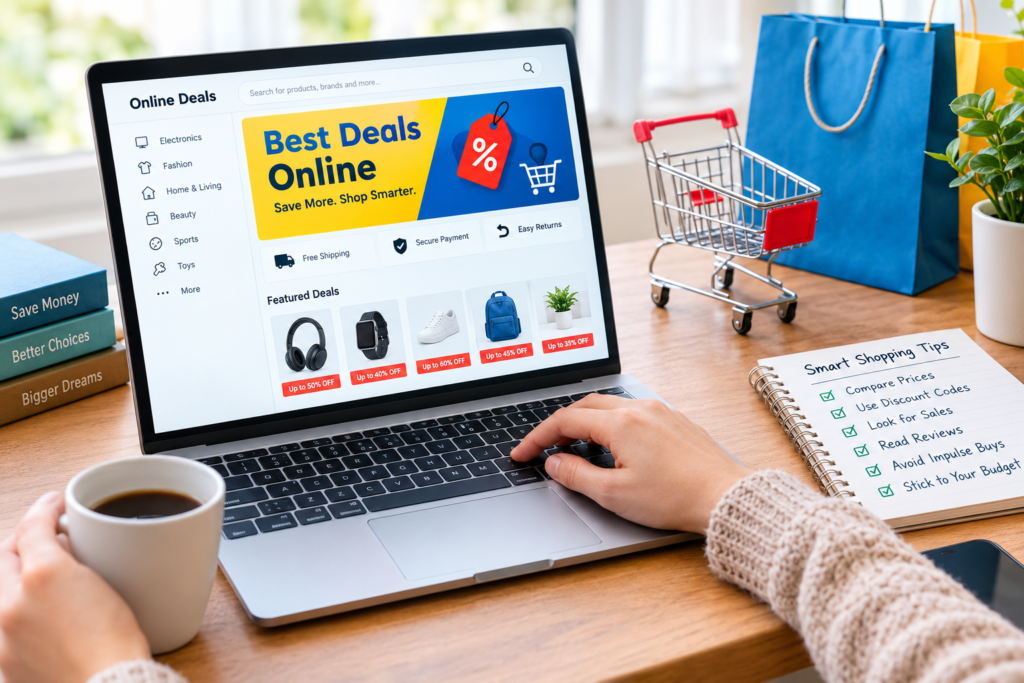
Flash sales create a strong feeling of urgency. A countdown timer or message saying that only a few products are left can make shoppers feel that they need to purchase immediately.
I try not to let these messages control my decision. If I genuinely need the product and the price is good, I can consider buying it. But if I am interested only because the sale is ending soon, I usually wait.
A limited time offer is not necessarily a good deal for me if I did not need the product in the first place.
Avoid Buying Extra Items Just for Free Shipping
Free shipping can be useful, but it can also encourage unnecessary spending. For example, if I need a $20 product and the store offers free shipping above $50, buying another $30 of unnecessary products does not really save me money.
I always compare the cost of shipping with the cost of adding more items to the cart. If paying a small delivery fee is cheaper than buying things I do not need, I choose the delivery fee.
The goal should be reducing total spending, not simply getting free shipping.
Compare Quality and Value
When looking for the best online deals, I believe value is more important than price alone.
A $30 product that lasts several years may provide better value than a $15 product that needs to be replaced frequently. This is especially important for electronics, household equipment, clothing, furniture, and other products that we expect to use for a long time.
I consider quality, warranty, customer reviews, features, durability, and after sales support before deciding.
Be Careful With Impulse Buying
Impulse buying is one of the biggest reasons people overspend online. Attractive product photos, personalized recommendations, limited time offers, and social media advertisements can encourage unnecessary purchases.
One habit that helps me is asking myself three questions before buying.
Do I really need this product?
Was I already planning to buy it?
Would I still want it if there were no discount?
If the answer to these questions is mostly no, I usually leave the product in my cart or remove it completely.
Use Price Tracking When Possible
For expensive products, price tracking can be helpful. Some shopping tools and browser features allow users to monitor prices and receive notifications when a product becomes cheaper.
This approach is useful when I do not need something immediately. Instead of buying at the first price I see, I can wait for a better opportunity.
Price tracking is particularly useful for electronics, appliances, travel related products, and other items that may experience regular price changes.
Shop From Trusted Sellers
Saving money should never mean ignoring online safety. I prefer buying from trusted websites and verified sellers.
Before entering payment information, I check the website, seller information, customer feedback, payment options, and return policy. I also avoid offers that look unrealistic.
If a product is being sold for a price that seems extremely low compared with every other store, I become more cautious. An unusually cheap price can sometimes be a warning sign rather than a fantastic deal.
Take Advantage of Loyalty Programs Carefully
Some stores offer loyalty programs, points, memberships, or rewards. These programs can provide useful savings if I regularly shop from the same store.
However, I do not buy unnecessary products just to earn points. Rewards are valuable only when they reduce the cost of purchases I would make anyway.
The same rule applies to memberships. I consider the membership cost and compare it with the actual benefits I expect to receive.
Keep Track of Your Spending
Finally, I believe tracking online shopping expenses is one of the simplest ways to avoid overspending.
At the end of the month, I can review what I purchased and how much I spent. This helps me identify unnecessary purchases and understand my shopping habits.
Sometimes the problem is not one expensive purchase. It is a large number of small purchases that seem harmless individually. Tracking them can make the total much easier to understand.
Final Thoughts
Finding the best deals online without overspending is mostly about making thoughtful decisions rather than chasing every discount. In my experience, the best approach is to know what I need, set a budget, compare prices, check the final cost, read reviews, understand return policies, and give myself time before making larger purchases.
A good online deal should provide genuine value without putting unnecessary pressure on my budget. I do not consider a product a bargain simply because the website uses a large discount label. The real bargain is a product that I need, at a reasonable total price, from a trustworthy seller, with quality that matches what I am paying.
Online shopping can be convenient and affordable when used wisely. With a little patience and research, anyone can find better prices while keeping unnecessary spending under control. The most important lesson I have learned is simple: the best deal is not the biggest discount. It is the purchase that gives me the value I need while keeping my budget safe.