Online clothing shopping has become one of the easiest ways to update a wardrobe without spending hours visiting different stores. With just a smartphone or laptop, I can explore hundreds of clothing styles, compare prices, read customer reviews, and find outfits that match my personal taste. However, buying clothes online is not always as simple as clicking the Add to Cart button.
One of the biggest challenges I have noticed with online shopping is choosing the right size, fabric, color, and overall quality. Sometimes a dress looks perfect in pictures but feels completely different when it arrives. This is why I believe smart clothing shopping requires a little research and careful decision making.
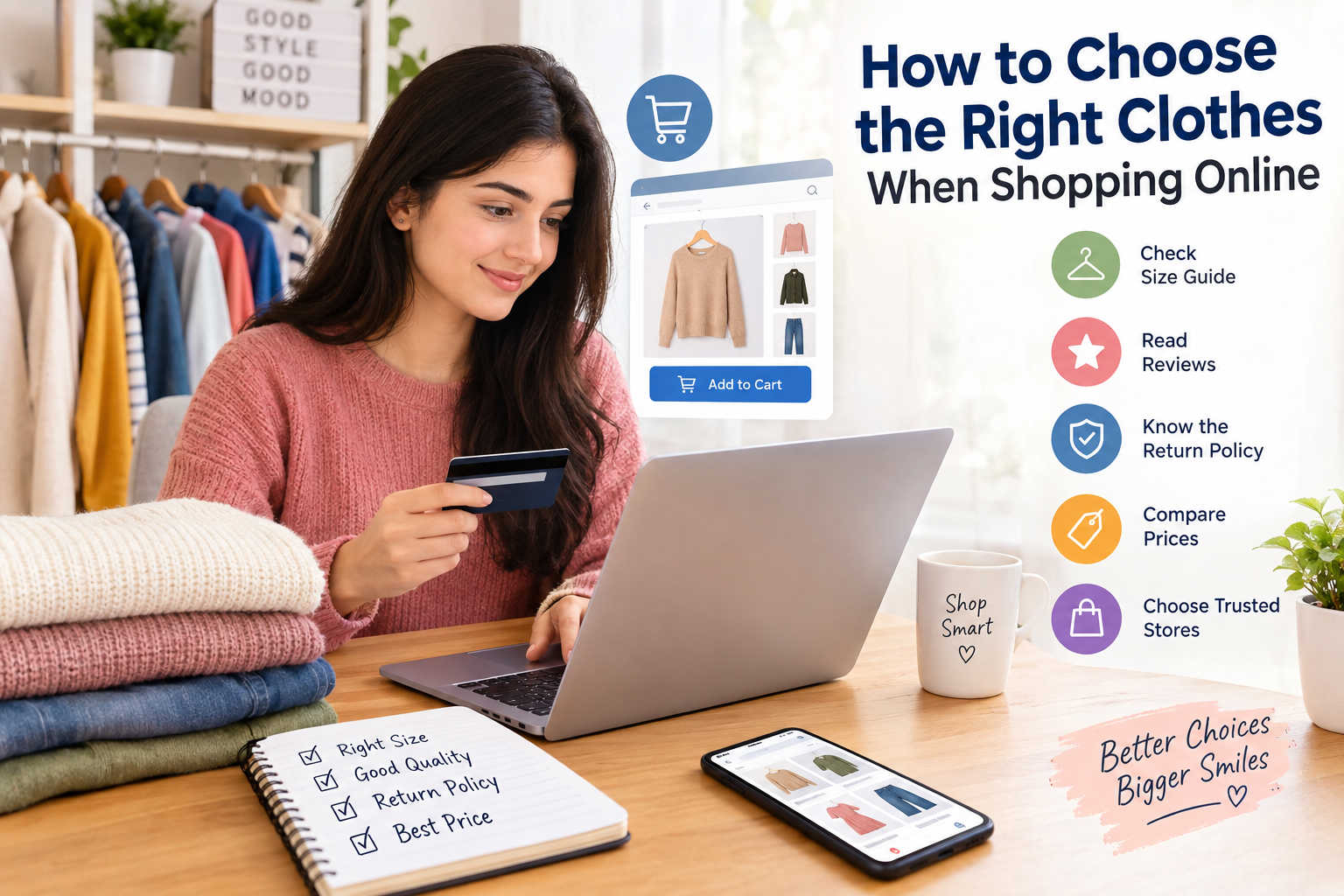
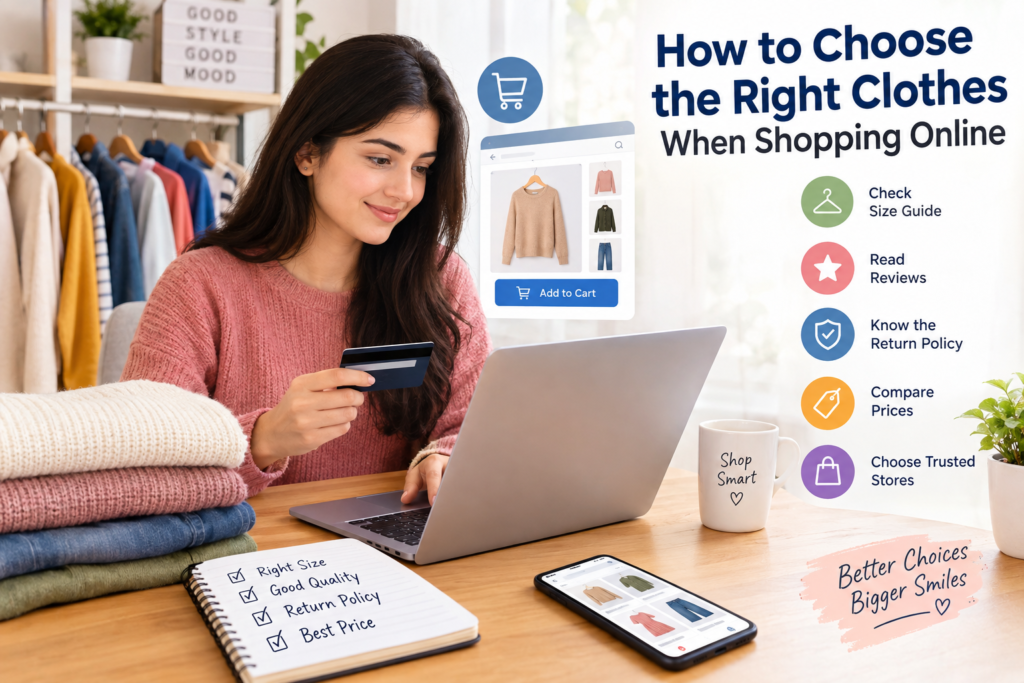
If you want to avoid unnecessary returns and make better purchasing decisions, learning how to choose the right clothes when shopping online can make a significant difference.
In this guide, I will share practical tips and personal observations that can help you find comfortable, stylish, and affordable clothing while shopping online.
1. Understand Your Personal Clothing Style
Before purchasing anything, I always recommend understanding your personal clothing style. Online stores display thousands of options, and it is easy to become confused by different designs, colors, and fashion trends.
Instead of purchasing something simply because it looks attractive, think about whether it matches your existing wardrobe.
For example, if you usually prefer comfortable casual outfits, buying expensive formal clothing that you rarely wear may not be a wise decision.
I personally believe that the best clothes are those that make us feel confident and comfortable.
Consider these questions before placing an order:
- Does this outfit match my personal style?
- Can I wear it on multiple occasions?
- Does it match other clothes I already own?
- Will I feel comfortable wearing it for several hours?
Understanding your preferences helps you avoid unnecessary purchases and makes online clothing shopping more satisfying.
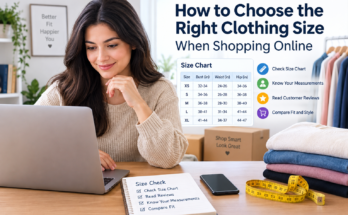
2. Always Check the Clothing Size Chart
Checking the size chart is one of the most important steps when buying clothes online.
Different brands often follow different sizing standards. A medium size from one store may fit differently from a medium size offered by another brand.
This is why I never recommend relying completely on your usual clothing size.
Before ordering, measure your body using a measuring tape and compare your measurements with the seller’s size chart.
For most clothing items, these measurements are useful:
- Chest or bust
- Waist
- Hips
- Shoulder width
- Sleeve length
- Overall garment length
For trousers and jeans, pay special attention to waist size, hip measurements, and inseam length.
Another useful tip is to check whether the product has a slim fit, regular fit, relaxed fit, or oversized design.
Choosing the correct clothing size online reduces the chances of receiving something too tight or too loose.
3. Read Customer Reviews Before Buying
Customer reviews provide valuable information that product photographs cannot always show.
Whenever I consider purchasing clothing from an unfamiliar online store, I prefer reading reviews from people who have already purchased the item.
Reviews can help you understand the actual fabric quality, fitting, stitching, color accuracy, and overall comfort.
I also recommend looking for customer uploaded photographs because they often provide a more realistic idea of how the clothing looks outside professional product photography.
Pay attention to repeated comments.
For example, if several customers mention that a shirt runs smaller than expected, it may be worth considering a different size.
Similarly, repeated complaints about poor stitching or fabric quality should not be ignored.
A product with many genuine positive reviews can provide greater confidence, although reviews should always be considered alongside the product description and return policy.
4. Pay Attention to Fabric Quality
Fabric is another important factor when choosing the right clothes online.
A beautiful design is not enough if the material feels uncomfortable or does not suit the weather.
I believe clothing should offer both appearance and comfort.
Before purchasing, carefully read the fabric composition mentioned in the product description.
Here are some common fabrics and their general characteristics.
Cotton

Cotton is a popular choice for everyday clothing because it is generally breathable and comfortable. It is suitable for many casual outfits and warm weather conditions.
Linen

Linen is valued for its lightweight feel and breathability. It is a practical option for summer clothing, although it wrinkles more easily than some other fabrics.
Polyester

Polyester is commonly used in affordable clothing and blended fabrics. It can offer durability and wrinkle resistance, but comfort depends on the fabric construction and garment design.
Wool

Wool is often used for winter sweaters, coats, and other warm clothing. It can provide insulation during colder weather.
Understanding fabric types helps you choose clothes according to your lifestyle, climate, and comfort preferences.
5. Compare Prices Before Placing an Order
One mistake I often notice in online shopping is purchasing the first attractive product without checking other stores.
The same or a similar clothing item may be available at different prices across multiple websites.
Before buying, compare the product price, delivery charges, available discounts, and possible return costs.
However, I do not believe the cheapest option is always the best choice.
A slightly more expensive shirt with better stitching and fabric quality may provide better long term value than a cheaper alternative that loses its shape after a few washes.
My suggestion is to focus on value for money rather than price alone.
6. Examine Product Photos Carefully
Product images are usually the first thing that attracts buyers. However, I recommend examining them carefully instead of making a quick decision.
Look for photographs from different angles, including the front, back, side, and close up views.
These images can help you understand the clothing design, neckline, sleeve style, buttons, stitching, and overall appearance.
If the store provides a video of the product, watch it to get a better idea of how the fabric moves and fits.
Also, remember that screen brightness and photography lighting can affect how colors appear.
For this reason, reading the product description along with viewing the images is always a sensible approach.
7. Choose Clothes According to Your Lifestyle
When shopping online, I believe lifestyle should be considered just as carefully as fashion.
For example, someone who works in an office may need formal shirts, trousers, and comfortable footwear. A university student may prefer casual outfits that are affordable, versatile, and easy to maintain.
Similarly, people who spend most of their time outdoors may benefit from breathable fabrics and practical designs.
Before purchasing clothing, think about where and how frequently you will wear it.
A versatile outfit that works for several occasions can often be a better investment than a trendy item that remains unused in your wardrobe.
8. Check the Return and Exchange Policy
Even after checking measurements and customer reviews, sometimes clothing does not fit as expected.
This is why I always consider the return and exchange policy before completing an online purchase.
A reliable store should clearly explain its return conditions, eligible products, refund process, and exchange requirements.
Some stores offer free returns, while others deduct shipping charges or have limited return periods.
Make sure you understand these conditions before ordering.
It is also useful to check whether sale items, customized clothing, or certain product categories are excluded from returns.
Knowing the return policy gives you more confidence and helps prevent unpleasant surprises.
9. Select Colors That Match Your Wardrobe
Color selection can make a big difference in how useful a clothing item becomes.
Although bright colors and trendy shades can look attractive, I personally prefer maintaining a balance between neutral colors and occasional statement pieces.
Colors such as black, white, navy, beige, and grey are generally easy to combine with different outfits.
For example, a simple white shirt can work with jeans, formal trousers, or a casual jacket.
When purchasing colorful clothing, consider whether you already own accessories or other garments that complement it.
This approach helps create more outfit combinations without purchasing an excessive number of clothes.
10. Look for Reliable Online Clothing Stores
Choosing a trustworthy online store is just as important as choosing the right clothing item.
Before ordering, I recommend checking the store’s contact information, customer feedback, payment options, and return policy.
A professional website with clear product descriptions and transparent policies generally provides a better shopping experience.
Be careful with websites offering unrealistic discounts, especially when product details are limited or payment conditions seem suspicious.
Whenever possible, choose established retailers or sellers with a consistent history of customer satisfaction.
For online payments, use secure payment methods and avoid sharing unnecessary personal information.
11. Avoid Buying Clothes Only Because They Are on Sale
Discounts can make online shopping exciting, but they can also encourage unnecessary spending.
I believe a good deal is only valuable when the product is actually useful.
Before purchasing discounted clothing, ask yourself whether you would still want the item if it were not on sale.
If the answer is no, it may be better to save your money.
Another helpful strategy is creating a shopping list before browsing online stores.
This keeps your attention on clothing you genuinely need rather than products that simply look attractive.
12. Think About Clothing Maintenance
Another factor that deserves attention is how easy the clothing will be to maintain.
Some fabrics require delicate washing, special detergents, or ironing, while others are easier to care for.
Before ordering, check the washing instructions and fabric care recommendations.
If you have a busy routine, choosing clothing that is easy to wash and maintain can save both time and effort.
I also recommend considering durability. Strong stitching, quality buttons, and suitable fabric construction can help clothing remain wearable for longer.
Buying fewer but better quality items can be a practical approach to building a useful wardrobe.
Common Mistakes to Avoid When Shopping for Clothes Online
Even experienced shoppers can make mistakes when purchasing clothing online.
Here are some common problems I recommend avoiding:
- Ordering without checking the size chart.
- Ignoring customer reviews and product feedback.
- Choosing clothing based only on attractive photographs.
- Forgetting to check delivery and return charges.
- Buying unnecessary items because of discounts.
- Ignoring fabric composition and washing instructions.
- Purchasing from unfamiliar websites without checking their reliability.
Avoiding these mistakes can make online clothing shopping easier, safer, and more cost effective.
Conclusion
Choosing the right clothes when shopping online does not have to be difficult. With a little patience and attention to detail, anyone can make smarter clothing purchases and avoid many common shopping problems.
From my point of view, the most important factors are correct sizing, fabric quality, customer reviews, reasonable pricing, and a reliable return policy.
I also believe that personal comfort and practical use should always matter more than following every fashion trend.
Before placing your next order, take a few minutes to compare options, read product information, and think about how the clothing will fit into your everyday life.
Online shopping should make our lives easier, not create unnecessary expenses or disappointment.
By following these simple tips, you can enjoy a better online shopping experience, build a wardrobe that reflects your personality, and make every clothing purchase more worthwhile.